Zimbalatte (Stefano)
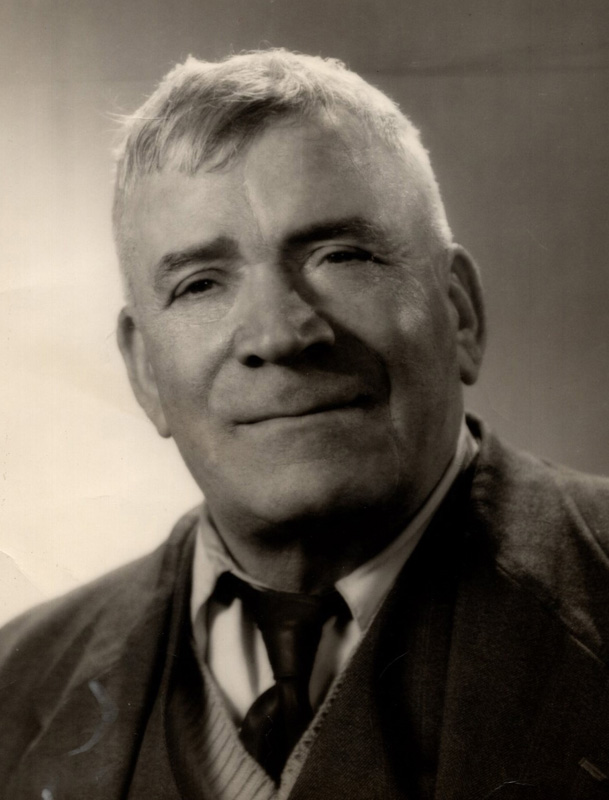
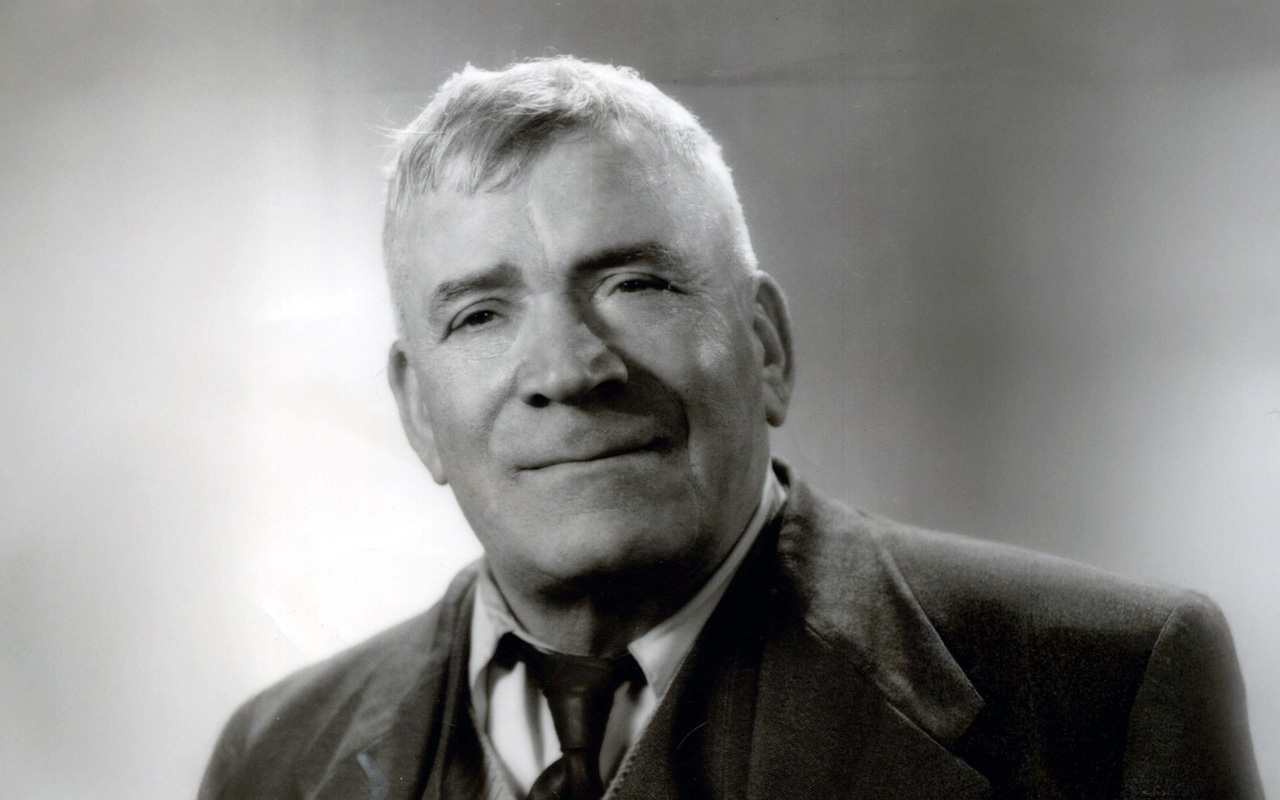
Stefano Zimbalatte was born in 1885 in the southern part of Calabria in the town of Santo Stefano in Aspromonte, east of the port city of Reggio Calabria. He was the second oldest of 5 siblings, 3 boys and 2 girls. Life was hard in the south, and Stefano didn’t go to school for very long, if at all, and began work at a young age. As young teens, the 3 brothers were working as guardians of state-owned properties at the turn of the century, much like security guards/watchmen. Somehow, they heard that there was a demand for manual labourers in North America. As such, there was no requirement for sponsorship for these first immigrants, so they applied, and once accepted, they decided to emigrate.
Stefano was the first of the brothers to come to Canada, in 1903. He went to Niagara Falls originally, to work on the creation of the hydro-electric power station. While not confirmed, it’s believed that he then worked for the railroad, and that’s what brought him to North Bay. His brother Santo followed in 1906, and Antonio shortly after. He went back to Italy once, around 1910-11, to marry Maria Scarfone, and returned to Canada shortly after. Santo remained in North Bay and enjoyed a long career at the CPR, while Antonio traveled to the U.S. and eventually settled in the Detroit/Windsor area and raised his family, where they remain today. One sister, Vincenza, followed Antonio to Windsor, while the other, Rosina, remained in Italy.
Stefano was literally one of the original Italians to come to North Bay. He and his brother Santo sponsored many of the next wave of immigrants to come to town, including the Priolo’s, Scarfones, and Favas, among many others. And not only did he sponsor these people, he and Maria would put them up at their house until they were able to find accommodations and a job. Stefano’s kids told countless stories of coming downstairs in the morning and seeing a new suitcase at the door. Their home on Front St. was the first stop on a life journey for these people. And speaking of jobs, Stefano also helped many of them get a job at the railroad to start off. For these reasons, he has been held in high regard among many of the other families in North Bay. He was truly a founding father of the Italian community.
Although one of the originals, most people didn’t know him by the name Stefano. Most knew him by the name Tom Frank. There are competing stories as to the origin of the name, but a reliable source said that at one point, when Stefano worked at the railroad, his boss wanted him to fire one of his Italian employees. He refused, so the boss fired Stefano. Undeterred, the next day, he went right back to the railroad and applied for a job, but since he couldn’t use his real name, he used two names he could more easily spell. And that’s how Tom Frank was born. This name was so popular, almost everyone called him by it. It’s also present in a number of newspaper articles that referenced him at the time.
Tom (Stefano) worked on the railroad for a while, and then became a general contractor (in the loosest sense of the word, by all accounts) until he retired. Suffice to say, following by-laws and processes was not high on the list of Tom’s priorities. By-law officers all knew him very well, as they had to reprimand him countless times, but it was always too late – he had already done what he wanted to do.
Stefano and Maria had 7 kids, 5 girls (Mallie, Vera, Josie, Rose, and Gerry) and 2 boys (Tony and Rocci), all of whom remained in North Bay. He opened Zimbalatte’s Store in 1942 on Front St. beside the homeplace and Mallie and Vera ran it until they retired in 1980. Stefano and Maria celebrated their 50th Anniversary in 1961 which was attended by many of the Italian community, as well as several of the City’s politicians and businesspeople, a testament to his stature in North Bay. Unfortunately, he passed away a few years later in 1964 at the age of 79. Maria died less than a year later, presumably of a broken heart.
Media Gallery
Audio Reading